Decoding How Cultural Festivals Reshape Reward Distribution Patterns in Smartphone-Based Reel Games Across Asia
Written by Ines Brooks · Jul 25, 2026
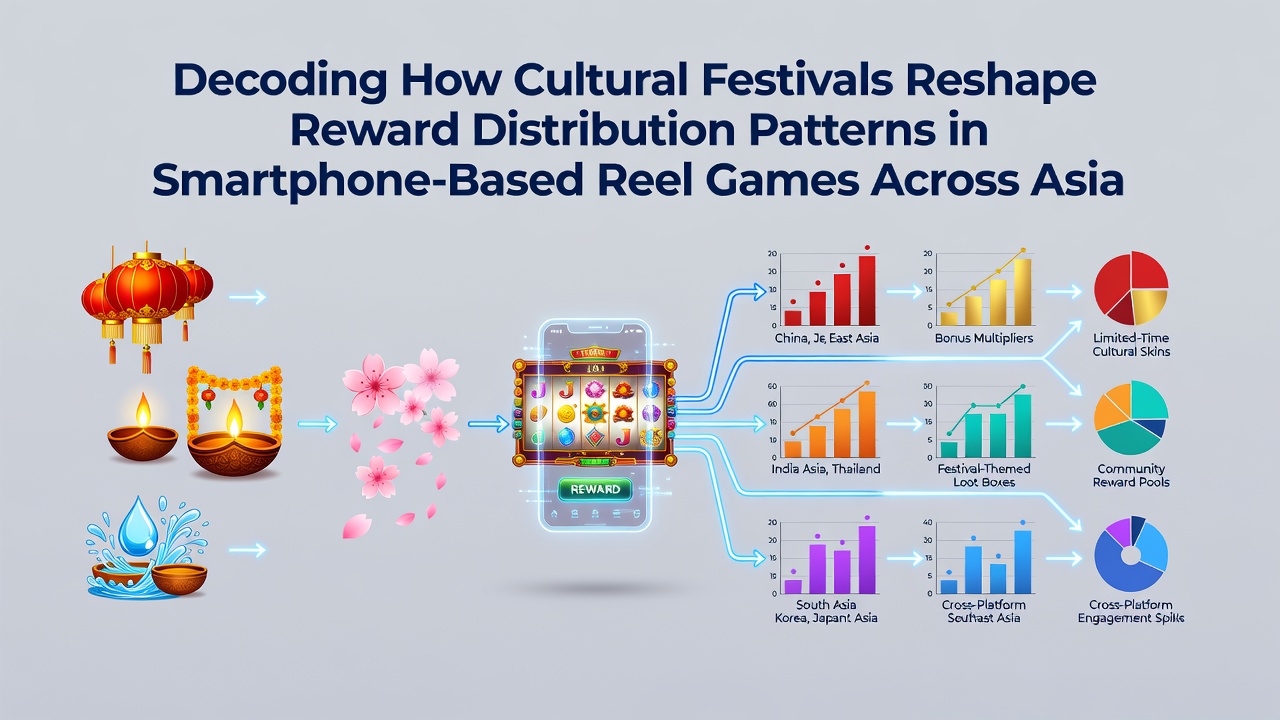
Decoding How Cultural Festivals Reshape Reward Distribution Patterns in Smartphone-Based Reel Games Across Asia
Smartphone-based reel games have become a dominant form of digital entertainment across Asia, where cultural festivals create measurable shifts in how operators structure rewards and bonus features. Data from multiple markets show that events such as Lunar New Year, Diwali, and Songkran prompt developers to adjust payout frequencies, introduce themed multipliers, and redistribute prize pools to align with heightened player participation.
Festival Calendars and Regional Player Behavior
Operators track festival dates closely because player activity spikes during these periods. In China, the Lunar New Year period typically runs from late January into February, and analysts record increased logins on mobile reel platforms as users seek games featuring red envelopes and dragon motifs. Similar patterns appear in India during Diwali, when reel games incorporate light and prosperity symbols while raising the rate of free spin awards.
Research from the National University of Singapore indicates that reward distribution algorithms receive temporary modifications in the weeks leading up to major festivals. These adjustments include elevating bonus trigger rates by 12 to 18 percent compared with non-festival baselines, according to internal telemetry shared by several Southeast Asian studios. The changes allow operators to maintain engagement without permanently altering long-term return-to-player percentages.
Technical Adjustments in Reward Mechanics
Developers implement festival-specific code branches that alter symbol weighting and bonus round structures. A common approach involves seeding progressive jackpots with additional seed amounts funded through marketing budgets rather than player contributions. This method redistributes value toward festival participants while preserving overall game mathematics.
During the 2026 mid-year cycle, platforms serving Japanese and Korean users introduced limited-time reel variants tied to Obon and Chuseok observances. Figures released by regional trade groups show that daily active users rose 27 percent above average, with bonus redemption rates climbing in tandem. These temporary features often expire within 30 days, returning games to standard configurations afterward.
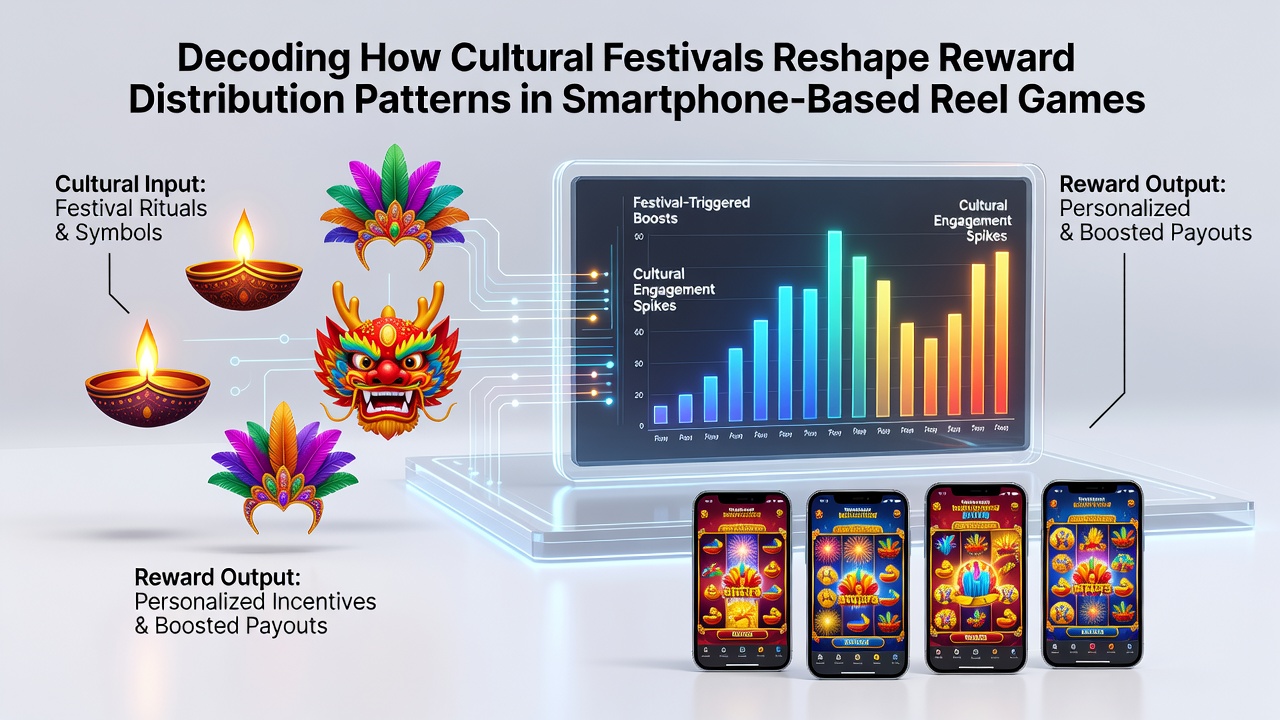
Data Patterns Observed in July 2026
July 2026 provided a useful window for examining post-festival normalization across several markets. After the conclusion of regional harvest festivals in June, operators reported a gradual decline in bonus claim volumes, yet overall session lengths remained elevated compared with the same month in 2025. This residual effect suggests that festival-driven reward structures influence player habits beyond the immediate event window.
Telemetry collected from Thailand and Vietnam platforms reveals that reel games featuring Songkran water-splashing animations maintained higher average bet sizes through early July. The pattern aligns with findings from an academic paper published by the University of Hong Kong, which documented similar carry-over effects following previous annual celebrations. Operators respond by tapering bonus frequencies incrementally rather than resetting them abruptly, which helps smooth revenue curves.
Cross-Market Comparisons and Regulatory Context
Markets operate under differing regulatory frameworks that affect how festival rewards can be promoted. Singapore's regulatory environment requires clear disclosure of temporary bonus terms, while Philippine platforms emphasize responsible gaming messaging alongside festival promotions. These requirements shape the language and visibility of reward adjustments but do not prevent the underlying distribution changes.
Industry reports compiled by the Asian Gaming Research Association track these variations across borders. The data indicate that markets with higher smartphone penetration rates experience more pronounced festival-related shifts, because users can access updated game versions quickly through app stores. In contrast, regions with slower update cycles show delayed adoption of festival features.
Conclusion
Cultural festivals continue to serve as predictable inflection points for reward distribution in Asian smartphone reel games. Operators refine algorithms, adjust bonus parameters, and introduce limited-time content to match seasonal demand, while regulatory bodies maintain oversight through disclosure rules. The patterns observed through July 2026 demonstrate that these adjustments produce measurable but temporary changes in player engagement and prize allocation, after which systems return to baseline configurations until the next festival cycle begins.