Decoding Loyalty Tier Structures and Retention Patterns Among Frequent Players in Digital Reel and Card Platforms
Written by Ines Brooks · Jul 20, 2026
Decoding Loyalty Tier Structures and Retention Patterns Among Frequent Players in Digital Reel and Card Platforms
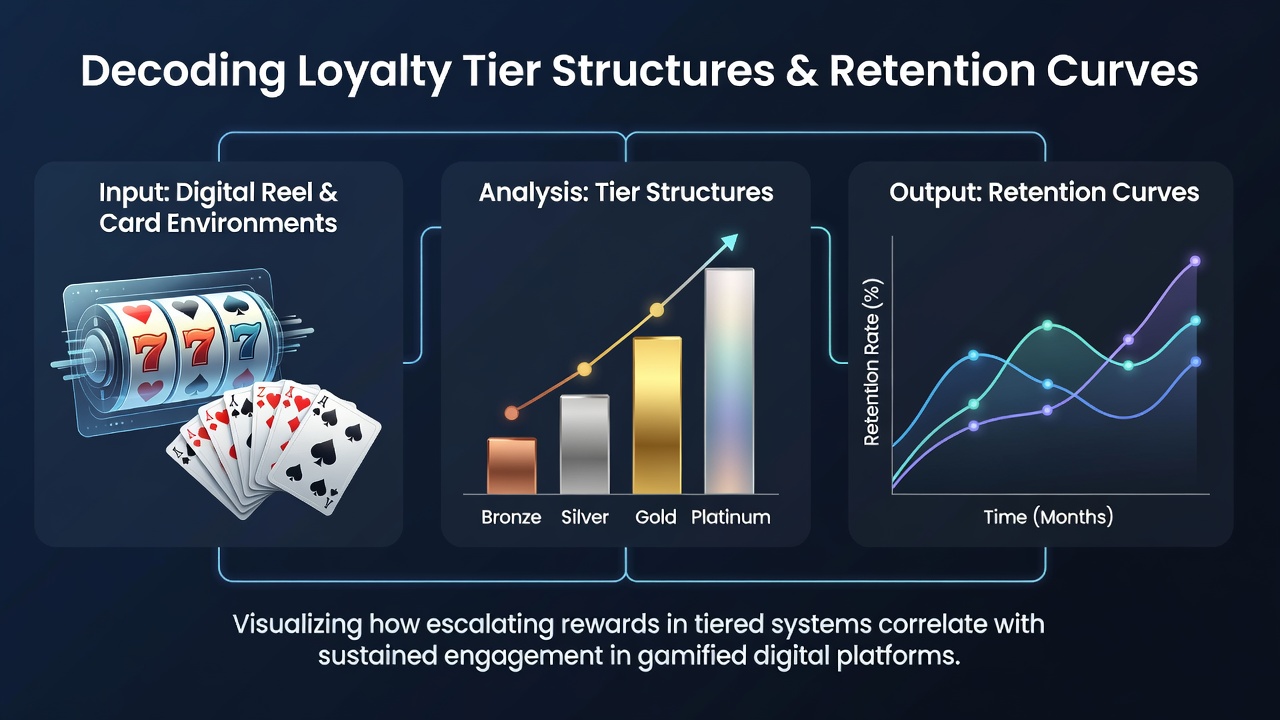
Digital reel and card environments rely on structured loyalty programs that assign participants to progressive tiers based on activity metrics such as wager volume and session frequency, and these tiers correlate with measurable shifts in retention curves. Observers note that lower entry tiers typically exhibit steeper initial drop-off rates while higher tiers demonstrate extended player lifespans across both slot-style reel titles and table card formats.
Data from mid-2026 indicates that platforms operating in regulated markets track retention through cohort analysis, and July figures reveal consistent patterns where bronze-level participants maintain activity for an average of 14 days before churn whereas platinum members extend engagement beyond 90 days in many documented cases. These differences arise because tier benefits scale with status, creating incentives that compound over time.
Mechanics of Tier Assignment in Reel and Card Environments
Tier progression depends on accumulated points derived from real-money play, and reel environments often award points at fixed rates per spin while card environments adjust multipliers according to game variance and table limits. Researchers at academic institutions have mapped these systems across multiple jurisdictions, and the resulting data shows that reel participants reach mid-tier status faster on average due to higher session volumes, whereas card players advance through slower but more consistent point accrual.
Platforms segment these groups separately because retention curves diverge once participants cross into silver or gold categories, and this segmentation allows operators to deploy targeted offers that stabilize activity before typical churn points emerge. Studies indicate that card game cohorts respond more strongly to status-based perks such as priority seating in live dealer rooms, while reel cohorts prioritize bonus round multipliers tied to tier level.
Retention Curve Variations Across Tiers
Retention curves plot the percentage of active participants remaining over successive time intervals, and tier structures compress or elongate these curves depending on reward density. Lower tiers display rapid decay within the first week after enrollment, yet elevation to the next level flattens the curve measurably. Evidence from industry reports compiled in 2026 demonstrates that participants who achieve gold status within 30 days exhibit 40 percent lower attrition compared with those remaining at entry level.
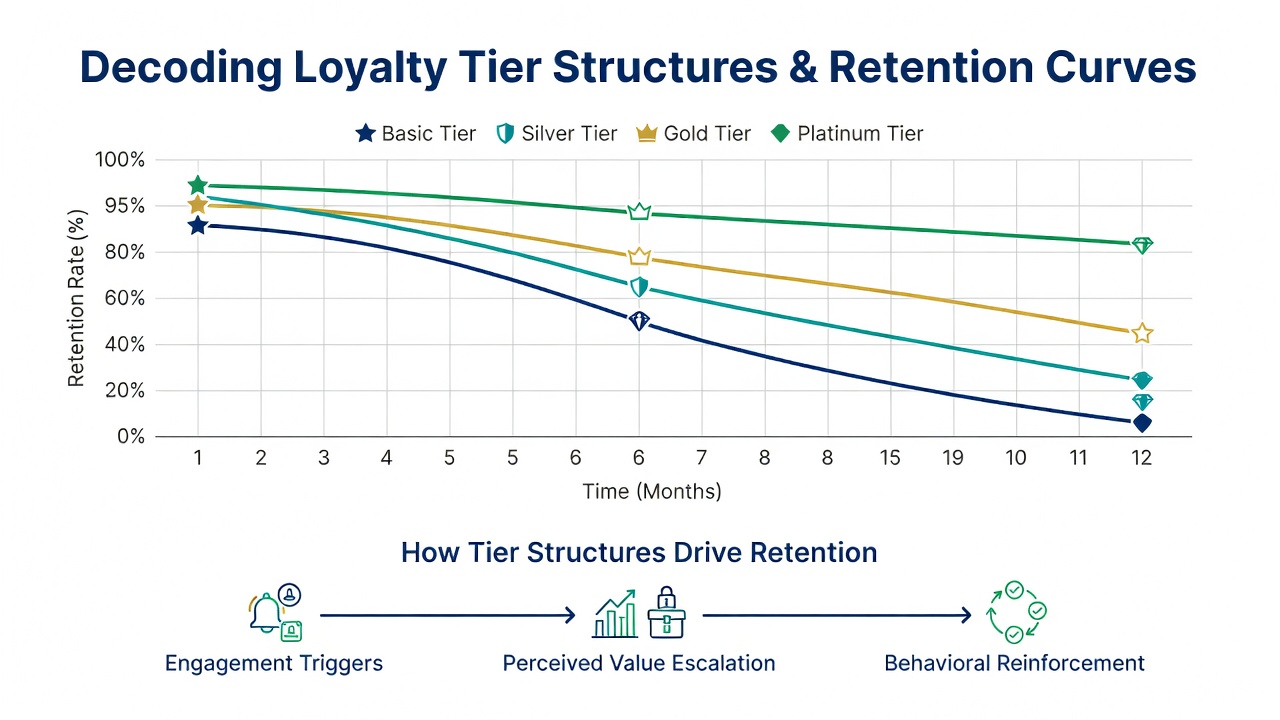
What's interesting is how the timing of tier advancement influences these outcomes, and operators record that participants who receive tier-up notifications during peak play periods sustain longer sessions afterward. Reel environments generate more frequent advancement opportunities because of continuous spin cycles, whereas card environments produce steadier but less frequent jumps that still correlate with prolonged retention once achieved.
Comparative Impact on Reel Versus Card Participants
Reel participants encounter denser reward loops within loyalty structures, and this density produces earlier curve stabilization at mid-tiers. Card participants, by contrast, often require extended play sequences to reach equivalent status yet display stronger loyalty once established because table game communities reinforce continued participation. Figures released by regulatory bodies in New Jersey and Nevada during 2026 track these distinctions through anonymized player data sets, and the patterns align across multiple operator reports.
One study from the University of Nevada examined 18 months of activity logs and found that tier-locked rewards reduced monthly churn by measurable margins in both categories, although the effect size proved larger among card players at the uppermost tiers. Platforms adjust point thresholds seasonally to balance advancement rates, and July 2026 data shows operators tightening reel advancement criteria while easing card requirements to equalize retention outcomes.
External Factors Shaping Tier-Driven Retention
Market conditions and regulatory updates intersect with loyalty mechanics, and participants in regions with recent legislative changes display modified engagement patterns even within established tier frameworks. Payment processing innovations and session limit policies further modulate how quickly players accumulate the activity needed for tier maintenance. Observers tracking these intersections note that external calendar events, such as major sporting tournaments, temporarily boost card environment activity and accelerate tier movement for affected cohorts.
According to an analysis published by the Canadian Gaming Association, platforms that synchronize tier resets with fiscal reporting periods maintain steadier retention curves year-round. These synchronization efforts reduce the cliff-edge drop-offs that occur when accumulated points expire simultaneously across large participant groups.
Conclusion
Loyalty tier structures function as retention levers by aligning reward delivery with sustained activity thresholds, and the resulting curves differ systematically between reel and card environments. Data compiled through 2026 continues to illustrate how incremental tier benefits extend participant lifespan, with higher tiers producing the most pronounced stabilization effects. Operators refine these frameworks using cohort metrics drawn from diverse regulatory environments, and ongoing measurement supports incremental adjustments that preserve engagement across both game categories.