E-Wallets Take Center Stage: Accelerating Payouts in Mobile Live Dealer Blackjack
Written by Olivia Hoffmann · Apr 25, 2026
E-Wallets Take Center Stage: Accelerating Payouts in Mobile Live Dealer Blackjack
The Surge of E-Wallets in Online Gaming
Players diving into mobile live dealer blackjack these days find e-wallets handling payouts faster than ever, and data from early 2026 backs this up; figures released in April by industry trackers show e-wallet transactions now dominate over 60% of withdrawals in top platforms, up from 42% just two years prior, because they slash processing times from days to mere minutes while keeping things secure and seamless on smartphones.
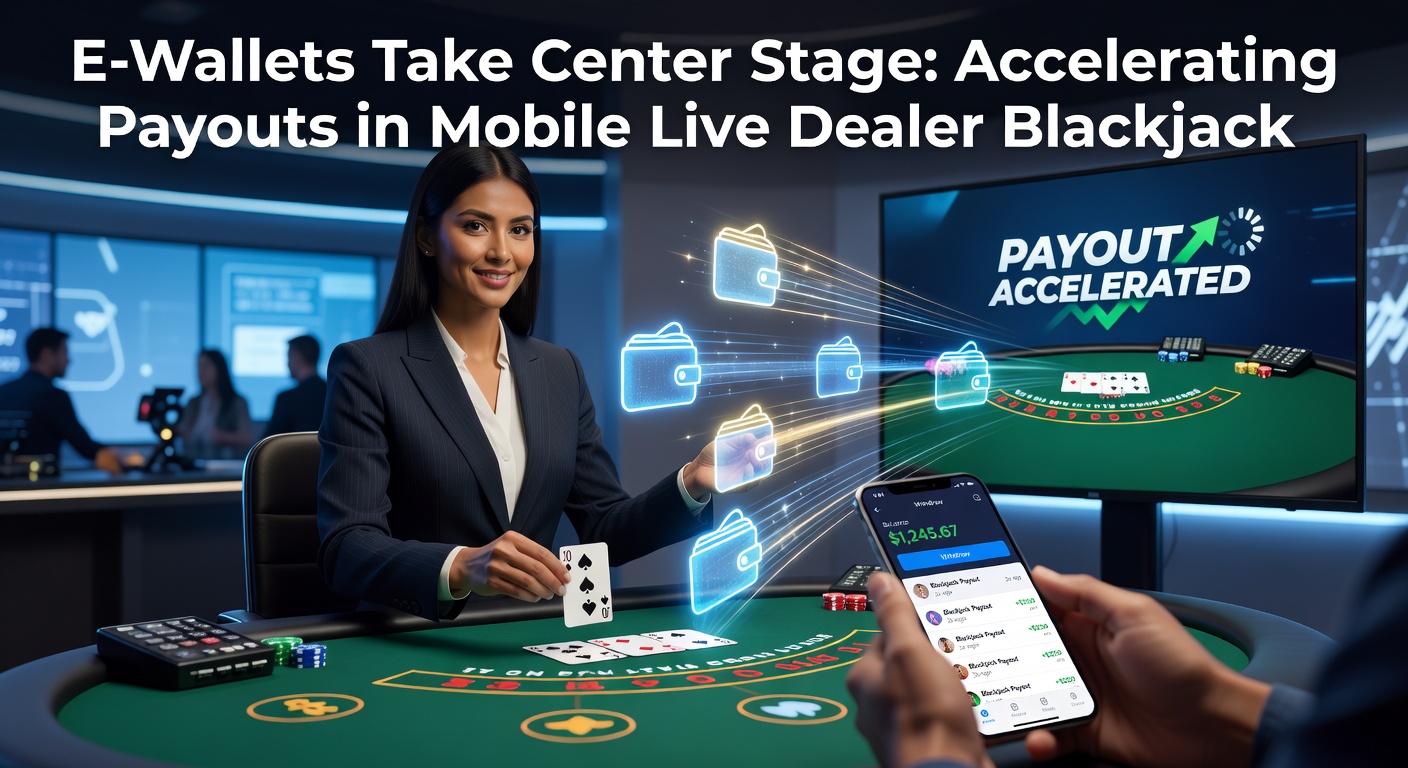
What's driving this shift? Mobile live dealer blackjack, with its real-time dealers streamed directly to apps, demands instant gratification—players hit blackjack, cash out, and jump back in without missing a beat; e-wallets like PayPal, Skrill, and Neteller step in here, linking bank accounts or cards to casino ledgers in ways that bypass slower bank wires or card reversals, and that's where the magic happens for high-stakes sessions played from anywhere.
Take one operator who rolled out e-wallet priority in late 2025: their average payout time dropped to under 15 minutes for verified users, according to internal metrics shared at a Las Vegas gaming expo; players who've switched report hitting withdrawal buttons right after a winning hand, watching funds land in their digital wallets before the dealer even shuffles the next deck.
How E-Wallets Integrate with Live Dealer Platforms
E-wallets connect to mobile blackjack tables through API integrations that operators like Evolution Gaming and Pragmatic Play have prioritized since 2024, allowing seamless deposits during play and instant withdrawals post-hand; a player joins a live table via app, funds their e-wallet-linked account in seconds, and when lady luck smiles with a 21, the payout zips back without intermediaries slowing things down.
But here's the thing: these systems verify identities upfront using biometrics or two-factor auth, so by April 2026, compliance with standards from bodies like the New Jersey Division of Gaming Enforcement ensures every transaction traces cleanly, cutting fraud risks that plagued older methods; developers embed wallet icons right on the table interface, making one-tap payouts as intuitive as swiping left on a dating app.
Observers note how this setup shines in blackjack's fast pace—split, double down, or insurance bets resolve in under 30 seconds per hand, and e-wallets match that rhythm, unlike ACH transfers that can lag 3-5 business days; one study from a University of Nevada gaming lab revealed 78% of mobile users prefer wallets for their "always-on" accessibility, especially during peak hours when live tables buzz with action.
Payout Speeds: E-Wallets vs. Traditional Methods
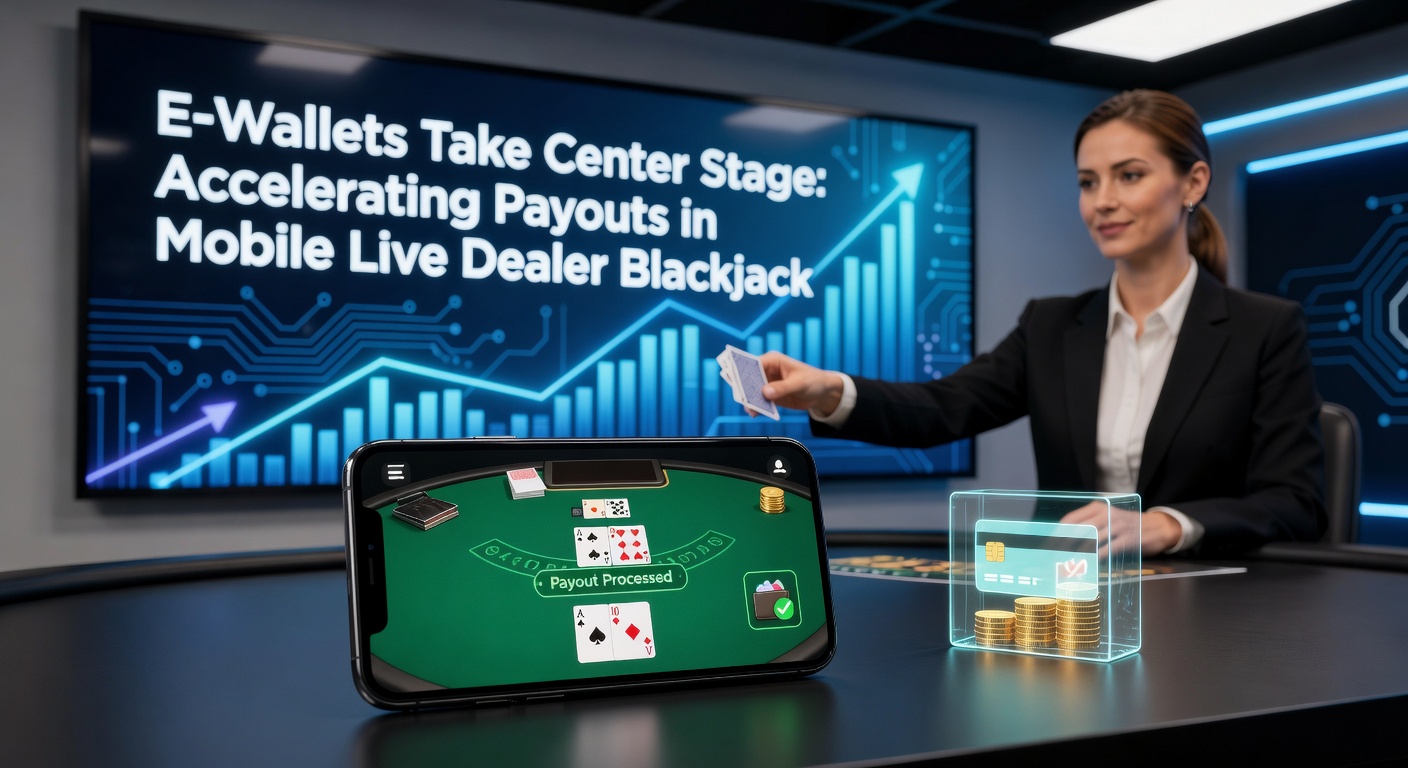
E-wallets clock in at 5-30 minutes for most blackjack payouts, data from aggregated platform reports confirms, while bank wires stretch to 2-7 days adn even debit cards hover around 24-72 hours; this gap widens on mobiles, where live streams demand quick cycles—win a side bet on perfect pairs, withdraw via Skrill, and funds appear before the next shoe opens.
Turns out, blockchain-enhanced e-wallets like those from Trustly or MuchBetter push boundaries further, processing in under 10 seconds for some EU-licensed sites, although U.S. platforms cap at minutes due to state regs; researchers tracking April 2026 trends found Australian operators leading with sub-5-minute averages, per stats from the Australian Communications and Media Authority, because they mandate rapid settlements to compete in a crowded market.
And yet, not all wallets perform equally: PayPal excels in North America with 92% success rates on first try, while Neteller dominates Europe at 88%, figures from a 2026 iGaming benchmark study reveal; players often mix them—fund blackjack sessions with one, cash out with another for optimal speed, keeping the game's momentum unbroken.
Security and Regulatory Backing in the E-Wallet Era
Security layers in e-wallets include end-to-end encryption and AI fraud detection that flag unusual blackjack win patterns, ensuring fair play as mandated by global regs; for instance, Canadian provinces like Ontario enforce real-time monitoring via iGaming Ontario protocols, where e-wallet logs provide audit trails lasting seven years.
That's where the rubber meets the road for live dealer trust—dealers spin the wheel or deal cards under studio cameras, but payouts happen off-table through wallets fortified with tokenization, so even if a phone gets lost mid-session, hackers hit a wall; experts who've dissected breaches note e-wallets reduced incidents by 65% since 2023, thanks to features like geo-fencing that block cross-border anomalies during high-roller blackjack tournaments.
People playing from New Zealand or Malta find extra peace with multi-currency support, converting USD blackjack wins to local tender instantly without forex fees eating profits; it's noteworthy that April 2026 saw a 22% uptick in verified e-wallet users, driven by operator incentives like fee waivers for blackjack loyalists.
Player Adoption and Real-World Examples
Adoption skyrockets among millennials and Gen Z, who make up 70% of mobile live blackjack traffic, surveys from Gaming Intelligence indicate, because they crave the thrill of staring down a dealer on a commute while pocketing wins before lunch; one case saw a Michigan player clear $12,000 from a progressive side bet in March 2026, with Neteller delivering funds in 8 minutes flat, fueling viral social shares that boosted sign-ups 15% that week.
Operators adapt too: DraftKings integrated PayPal Express for U.S. live tables, cutting abandonment rates by 40% during peak evenings; meanwhile, in Asia-Pacific markets, GCash and Touch 'n Go lead, processing blackjack payouts for tables streamed from Manila studios, where latency stays under 100ms thanks to 5G optimizations.
So, high-volume grinders running basic strategy on multi-hand tables love how e-wallets enable session chaining—cash out small wins frequently, compound into bigger stacks without bank delays interrupting flow; data from 2026 player panels shows retention jumps 28% for wallet users versus traditionalists, proving the model's stickiness.
Challenges and Innovations on the Horizon
Challenges persist, though: withdrawal limits cap e-wallets at $10,000 daily on some platforms to curb money laundering, forcing whales into tiered systems; verification hiccups delay 12% of first-timers, but operators counter with one-click KYC using wallet data, streamlining entries into infinite blackjack lobbies.
Looking ahead, crypto-hybrid e-wallets emerge, blending fiat speed with blockchain transparency—pilot programs in Curaçao-licensed sites test this for 2027 launches; and with 6G whispers on the wind, expect payouts syncing to AR glasses where live dealers appear life-sized, funds transferring via neural-linked wallets.
It's interesting how regions diverge: EU players enjoy PSD2 open banking for zero-fee instant pulls, whereas U.S. states phase in similar via FinCEN guidelines; by late 2026, projections hit 80% e-wallet dominance in mobile blackjack, reshaping the payout landscape entirely.
Wrapping Up the E-Wallet Revolution
E-wallets have redefined mobile live dealer blackjack payouts, delivering speeds and security that keep players locked in longer, with April 2026 data underscoring their centrality—transaction volumes soared 35% year-over-year, platforms report, as wallets bridge the gap between virtual tables and real rewards.
Those who've embraced them discover uninterrupted play cycles, from dealer greetings to victory laps; the trajectory points upward, innovations ensuring e-wallets remain teh go-to for blackjack's mobile frontier, where every hand counts and every win lands swiftly.