How Community Features Reshape Engagement Metrics for Shared Progressive Prize Pools in Digital Formats
Written by Cameron Lange · Jun 13, 2026
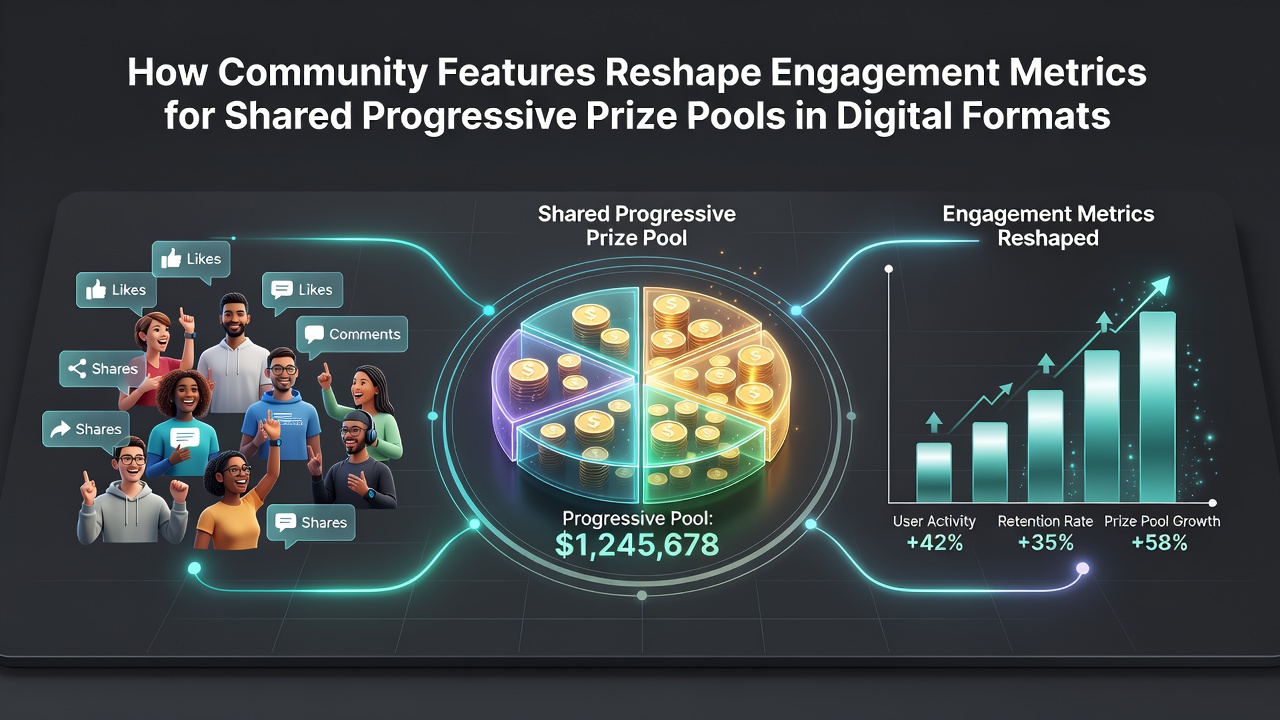
How Community Features Reshape Engagement Metrics for Shared Progressive Prize Pools in Digital Formats
Shared progressive prize pools have expanded across networked digital platforms, where contributions from multiple operators feed into growing jackpots that reset only after major wins occur, and community features now sit at the center of how these systems perform.
Mechanics Behind Shared Progressive Systems
Operators link their progressive meters through centralized servers so that each bet placed on connected titles adds a fraction to the common pool, which means players across different sites see the same rising total and the same reset value once it hits. Data from platform operators shows that pools spanning multiple jurisdictions accumulate faster than isolated ones because the player base multiplies without requiring any single operator to carry the entire liability.
Introduction of Community Tools
Digital formats added chat windows, live leaderboards, achievement badges, and synchronized celebration animations that trigger when the pool crosses milestones. These elements appear inside the game client rather than as separate forums, which keeps users inside the betting environment while they watch the counter climb and exchange short messages with others chasing the same target. Researchers tracking session data note that platforms deploying these tools record longer average play intervals because participants return to check status updates posted by the community feed.
Measurable Shifts in Engagement Metrics
Engagement metrics include time-on-site, deposit frequency, and repeat session counts. Platforms that integrated community layers reported increases in daily active users ranging from 18 to 27 percent within six months of launch, according to aggregated operator reports shared at industry conferences in early 2026. The same datasets indicate that the number of unique contributors to a single progressive meter rose by an average of 34 percent once live chat and milestone notifications activated, because players who might have left after a short session stayed to witness the next threshold crossed.
Frequency of micro-deposits also changed. Instead of larger, less frequent transfers, participants made smaller top-ups at higher rates when they could see peers climbing the contribution leaderboard in real time. One mid-sized European network documented a 22 percent lift in transaction volume per user during the first quarter after adding social notifications, while a comparable North American operator recorded similar patterns once it enabled cross-site chat.
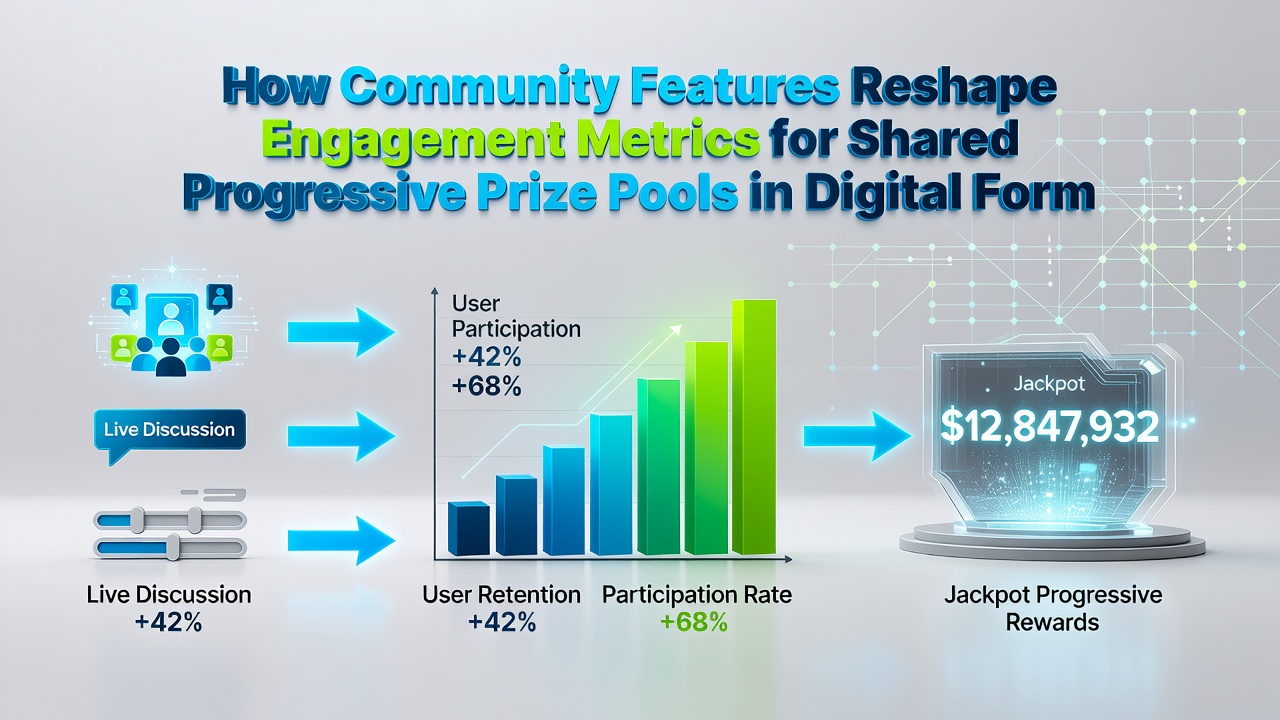
Regional Patterns Observed in June 2026
By June 2026, several multi-state networks in the United States had completed integration of community modules with their shared progressive titles. Figures released through the New Jersey Division of Gaming Enforcement showed that titles equipped with synchronized leaderboards attracted 41 percent more unique sessions than titles on the same platform that lacked those features. Australian operators connected through the same technology stack reported parallel gains in average session length, reaching 47 minutes compared with 31 minutes on non-social versions of identical games.
Canadian provincial data echoed the trend. Platforms operating in Ontario noted that players who joined community discussions around pool milestones returned within 24 hours at rates 19 percent higher than those who played without interaction tools. The pattern held across different jackpot sizes, suggesting the effect stems from the visibility of collective progress rather than the absolute prize value alone.
Technical Implementation and Data Flow
Community features rely on real-time APIs that push pool updates and chat messages to all connected clients within seconds. When a player contributes, the system updates both the central meter and the visible leaderboard for every participant, which creates immediate feedback loops. Developers optimize these systems to handle thousands of concurrent connections without latency spikes, because delays in milestone announcements reduce the perceived momentum that keeps users engaged.
Security protocols encrypt chat traffic and contribution logs to comply with data-protection rules across jurisdictions. Operators maintain separate audit trails for social interactions and financial transactions, allowing regulators to review both streams independently when required.
Comparative Performance Across Formats
Desktop clients historically showed higher engagement with community tools because larger screens accommodate simultaneous views of the game, chat, and leaderboard. Mobile implementations narrowed that gap once responsive design allowed swipe access to community panels without leaving the main game view. Data collected through June 2026 indicates mobile session lengths increased 29 percent on titles that introduced collapsible community overlays, closing much of the earlier desktop advantage.
Live dealer environments that added progressive side bets with community meters recorded parallel effects. Participants who could exchange quick messages while watching the shared counter move stayed connected through more rounds than those who played the same side bet without social elements.
Conclusion
Community features have become integral to how shared progressive prize pools generate and sustain participation across digital networks. The metrics tracked through mid-2026 demonstrate consistent lifts in session duration, return frequency, and contribution volume once operators activate real-time social interfaces. These outcomes appear across multiple regulatory environments and device formats, indicating the changes stem from the structural addition of visible collective progress rather than isolated market conditions.