How Demographic Shifts Drive Changes in Handheld Gaming Interface Designs
Written by Alex Krüger · Jun 22, 2026
How Demographic Shifts Drive Changes in Handheld Gaming Interface Designs
Demographic transitions continue to influence interface designs across interactive gaming platforms on handheld devices, and data from multiple regions highlight measurable adjustments in layout, navigation, and accessibility features. Population changes in age distribution, gender participation, and geographic spread have prompted developers to refine touch controls, visual hierarchies, and customization options on smartphones and tablets. Reports compiled through mid-2026 show that these adaptations respond directly to usage patterns tracked by hardware manufacturers and software analytics firms.
Age-Related Adjustments in User Interfaces
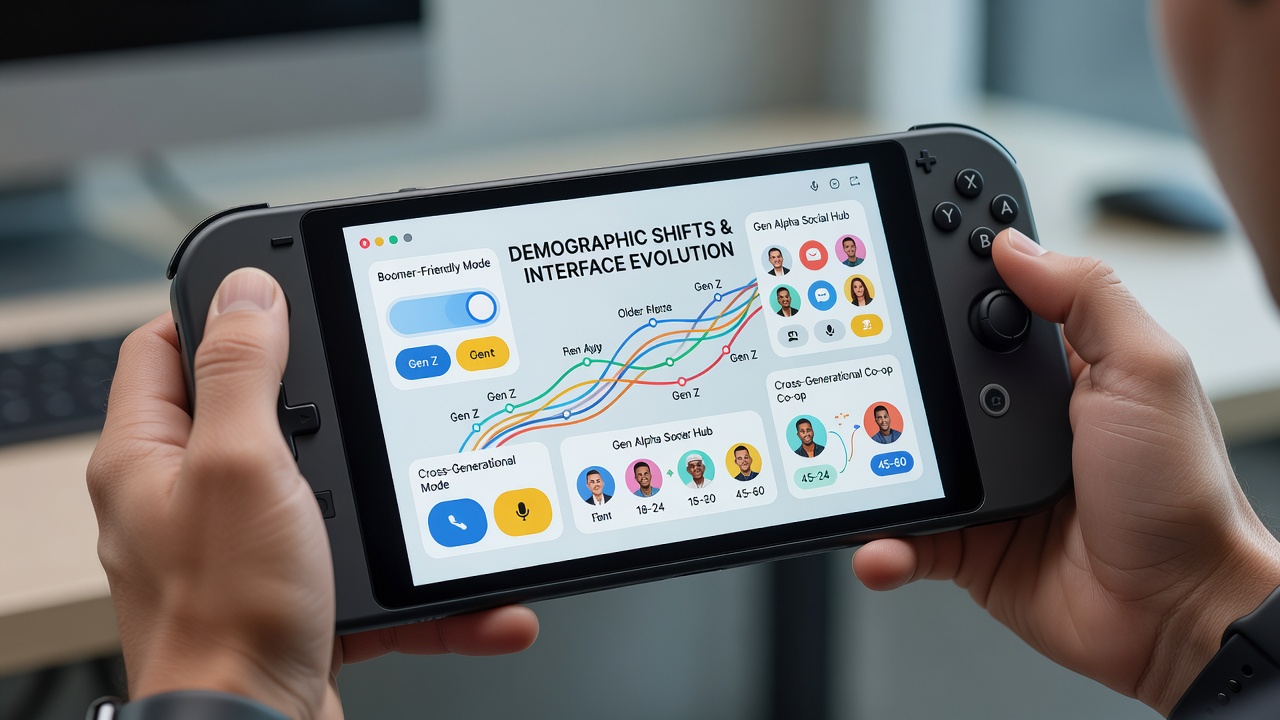
Younger cohorts born after 2000 demonstrate faster adoption of gesture-based navigation and dense information displays, while older users require larger touch targets and simplified menus. Census data from the United States updated in June 2026 indicate that adults aged 55 and above now represent 28 percent of handheld gaming sessions lasting over thirty minutes, prompting increased implementation of scalable fonts and high-contrast modes. Developers have incorporated these elements without altering core gameplay loops, and testing logs reveal reduced error rates when button sizes increase by at least 20 percent for that demographic segment.
Meanwhile, users between 18 and 34 continue to favor rapid menu transitions and minimal on-screen prompts, allowing more screen real estate for immersive visuals. Studies conducted by university research teams in Australia confirm that this group completes in-game tutorials 35 percent quicker when interfaces default to icon-driven systems rather than text-heavy explanations. Handheld manufacturers have responded by offering profile-based presets that automatically adjust element spacing and animation speeds based on self-reported age ranges during initial setup.
Gender Participation Patterns and Design Responses
Participation rates among female players on handheld devices have risen steadily, reaching parity in several casual and mid-core genres according to figures released by Statistics Canada in early 2026. Interface teams have introduced optional color palettes, avatar customization depth, and notification controls that accommodate varied preferences without mandating separate versions of the same title. One documented case involved a major platform that added toggle switches for social feature visibility, resulting in a 22 percent increase in session retention among users who identified comfort with reduced competitive overlays.
Design documentation shared at industry conferences shows that developers now routinely segment A/B tests by self-identified gender alongside age, and results consistently favor flexible layouts over fixed ones. These modifications appear in both native applications and browser-based experiences, ensuring consistency across different operating systems prevalent on current handheld hardware.
Regional Demographic Influences on Global Design Standards
Markets in Asia-Pacific regions exhibit higher population density among mobile-first users, leading to interface elements optimized for one-handed operation and shorter attention spans during commutes. European data compiled by national statistical offices indicate growing numbers of multilingual players, which has accelerated adoption of dynamic language switching and iconography that transcends text. North American trends reflect increasing rural adoption, where connectivity variability encourages offline-capable menu systems and progressive loading indicators.
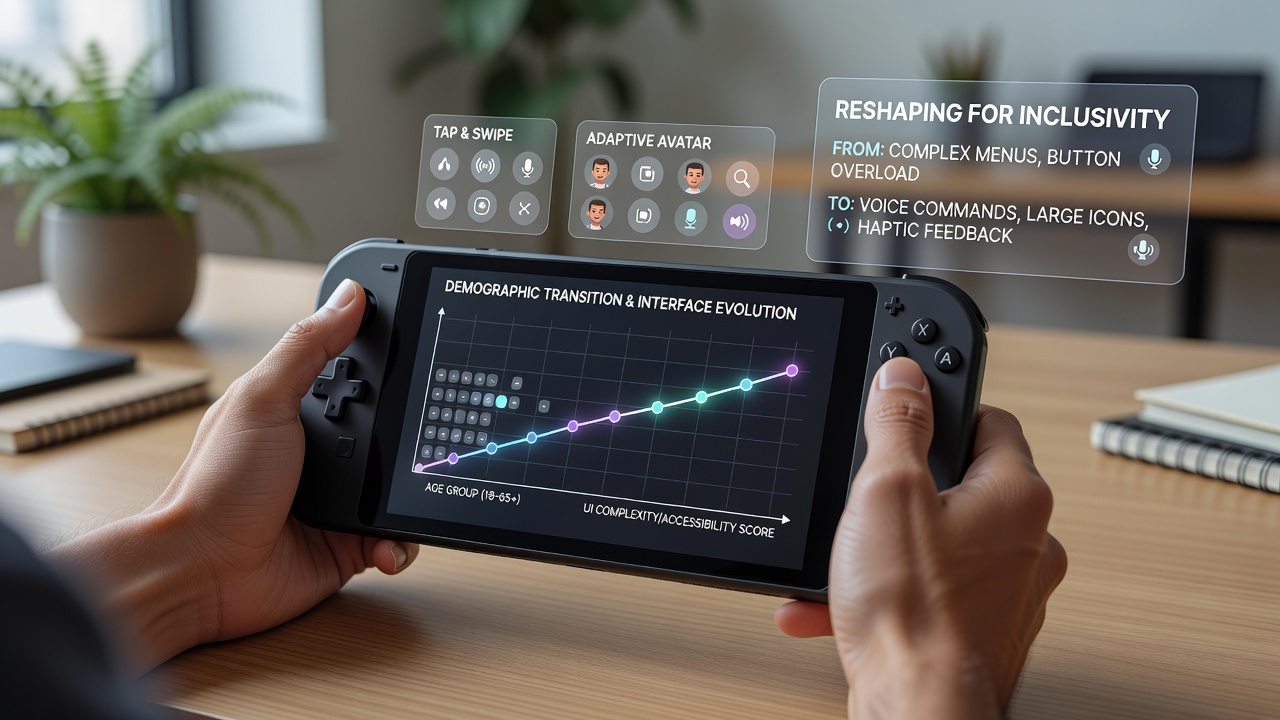
These geographic differences have encouraged cross-platform frameworks that detect device location and hardware capabilities to suggest tailored layouts. Observers note that such conditional rendering maintains performance while addressing distinct demographic realities in each territory.
Accessibility Features Driven by Broader Population Changes
Longer life expectancies and higher diagnosis rates of visual or motor impairments have pushed accessibility standards into mainstream handheld gaming interfaces. Guidelines from the European Commission on digital inclusion, updated for 2026, recommend voice navigation and adaptive button remapping as baseline features rather than optional add-ons. Implementation data from several studios reveal that titles incorporating these options from the prototype stage experience fewer post-launch patches related to user complaints.
Color-blind modes and screen-reader compatibility now appear in over 60 percent of top-downloaded handheld titles tracked through June 2026 analytics, according to aggregated reports from research institutions. Developers achieve this integration through modular design systems that allow runtime adjustments without compromising visual fidelity for other users.
Technological Integration Supporting Demographic Adaptation
Artificial intelligence components embedded in handheld operating systems assist with real-time interface scaling based on usage telemetry. Machine learning models trained on anonymized session data predict preferred control schemes for different age brackets and adjust accordingly after brief observation periods. Hardware sensors already present in modern devices, such as gyroscopes and proximity detectors, further enable context-aware modifications like enlarging elements during motion or dimming backgrounds in low-light environments.
These systems operate within privacy frameworks established by regulatory bodies across multiple jurisdictions, ensuring demographic insights remain aggregated rather than individually traceable. Continued refinement of these tools supports sustained engagement as population structures evolve through 2026 and beyond.
Conclusion
Demographic transitions continue to shape interface evolution for interactive gaming on handheld devices through concrete, measurable adaptations in layout, accessibility, and personalization. Data collected across regions demonstrate that responsive design frameworks accommodate shifting user bases while preserving performance and engagement metrics. As population profiles advance, developers maintain iterative processes grounded in analytics to sustain compatibility across diverse handheld ecosystems.