Incentive Architectures Behind Engagement Fluctuations in Mobile Live Table Gaming
Written by Olivia Hoffmann · Aug 8, 2026
Incentive Architectures Behind Engagement Fluctuations in Mobile Live Table Gaming
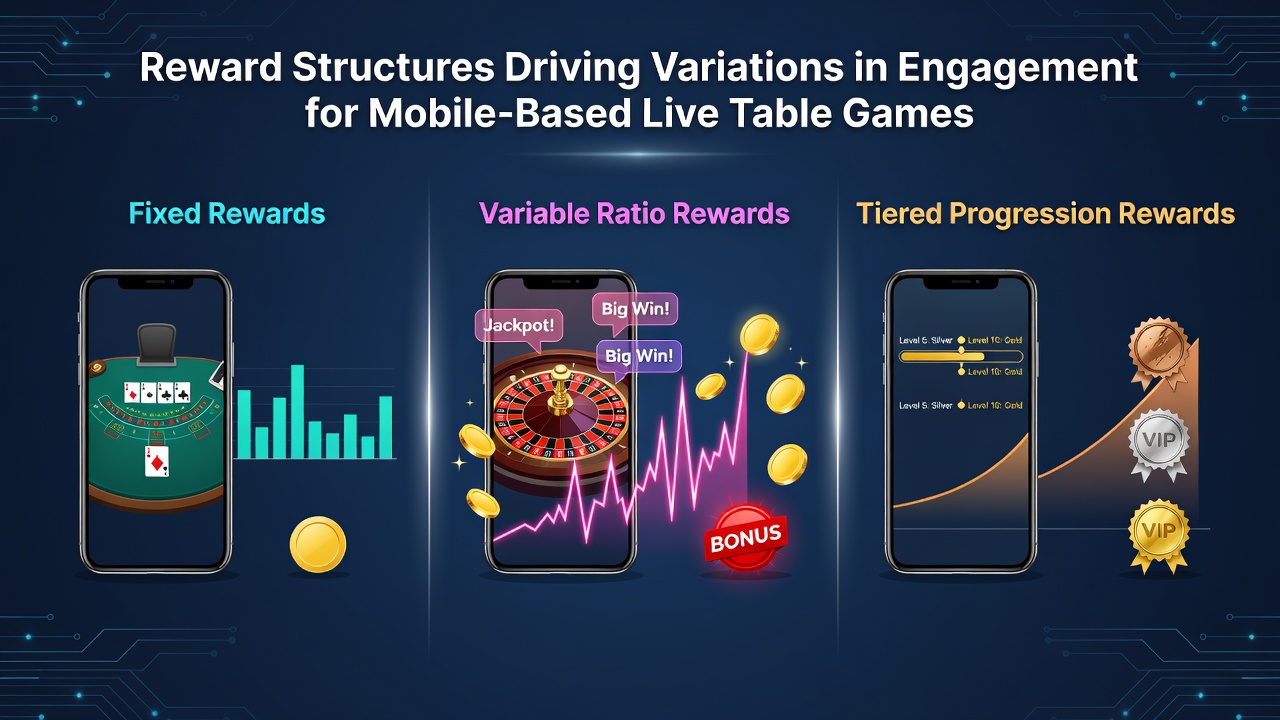
Platform operators have implemented multiple layers of reward systems that directly correlate with measurable differences in session length and return frequency among users of mobile live table games, including blackjack and roulette formats. Data collected across various operators during the first half of 2026 shows that tiered loyalty programs produce higher retention rates compared to flat bonus structures, while daily login streaks generate consistent daily active user increases in several markets.
Researchers tracking user patterns note that cashback mechanisms tied to live dealer sessions tend to extend average playtime by 18 to 22 minutes per session when thresholds reset weekly, whereas instant spin rewards in integrated slot side games create shorter but more frequent logins. These patterns emerge consistently across both iOS and Android platforms, with operators reporting distinct behavioral clusters based on reward timing and visibility.
Core Components of Modern Reward Systems
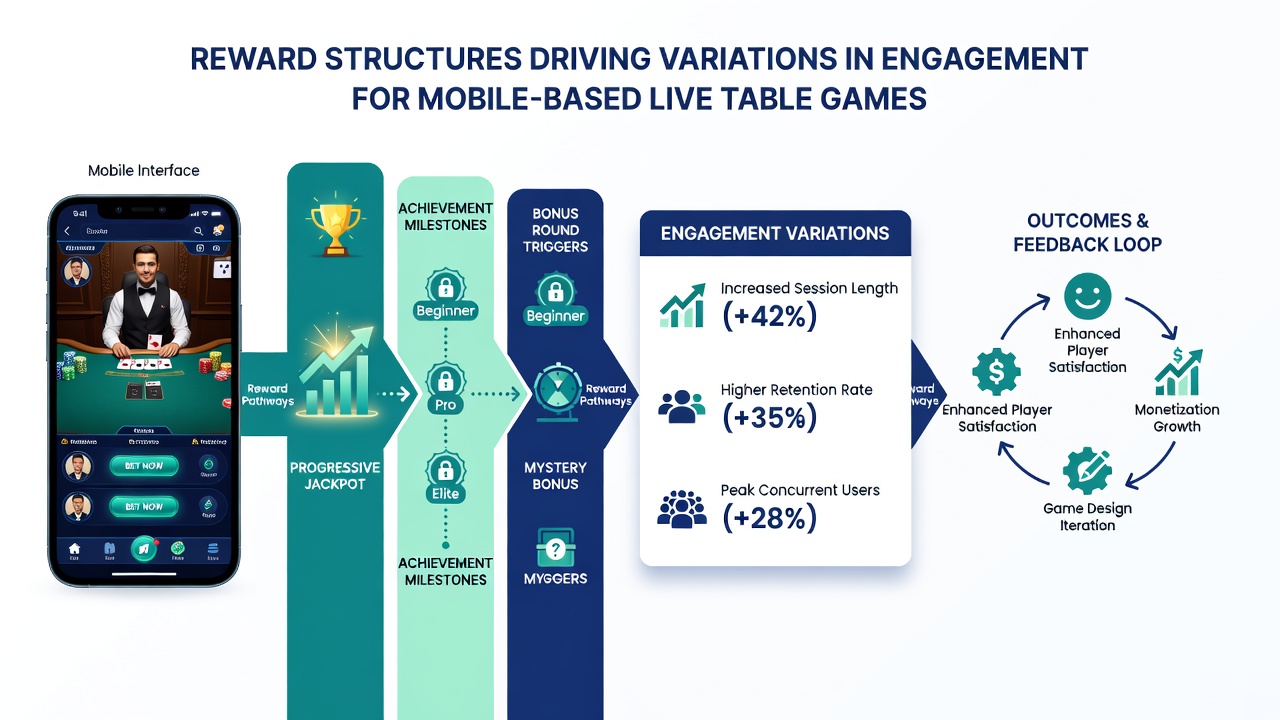
Live table platforms combine progressive jackpots, personalized milestone bonuses, and leaderboard competitions to maintain activity levels, and operators adjust these elements based on regional regulatory allowances. In August 2026 several major providers introduced dynamic reward multipliers that scale with table stakes, producing noticeable spikes in high-limit room participation where users previously showed lower engagement. Such adjustments rely on real-time data feeds that track bet volume and dealer interaction rates rather than static calendars.
Operators also deploy referral credits that unlock after a new user completes three verified live table rounds, and this structure has driven measurable increases in acquisition costs offset by higher lifetime value figures in tracked cohorts. Those who studied cohort retention at scale found that combining social sharing rewards with in-game currency yields stronger cross-promotion effects than isolated bonus offers alone.
Regional Data Patterns and Platform Variations
Figures from the New Jersey Division of Gaming Enforcement reveal that mobile live table engagement grew 7.4 percent year-over-year through mid-2026, with reward-heavy titles accounting for the majority of that lift. In contrast, markets with stricter bonus caps show flatter curves where operators rely more on loyalty point accumulation than immediate cash equivalents. Observers note that European operators face different constraints yet achieve similar engagement lifts through tournament entry rewards rather than direct rebates.
What's interesting is how reward visibility on the home screen influences quick-return behavior, with push notifications linked to streak completions generating 31 percent higher click-through rates than generic game promotions. Platforms that surface personalized reward progress bars report steadier week-over-week play frequency, particularly among users aged 25 to 34 who respond strongly to visual completion indicators.
Interaction Between Reward Types and Game Formats
Blackjack tables equipped with side-bet multipliers tied to consecutive wins demonstrate different retention curves than roulette wheels using time-based free bet credits, and operators adjust these levers according to peak hours. Morning sessions show stronger responses to time-limited reload bonuses, while evening peaks favor leaderboard climbs that award tournament tickets. Such timing distinctions help explain why certain reward calendars outperform others across identical user bases.
Studies from the University of Nevada, Las Vegas gaming research division indicate that hybrid structures blending cashback with experience points produce the most stable engagement across both casual and high-volume segments. These findings align with platform reports showing reduced churn when rewards reset on a rolling 30-day window rather than fixed calendar months.
Measurement Approaches and Outcome Tracking
Operators measure engagement through session depth, return interval, and table switch frequency, with reward redemption rates serving as a leading indicator for future activity. Platforms that A/B test reward presentation order find that placing milestone progress above the game lobby increases completion rates by double-digit margins. Data indicates that users who redeem at least one reward within the first three sessions maintain 2.3 times higher 30-day retention than non-redeemers.
Yet the relationship between reward generosity and long-term value remains nuanced, because excessive immediate bonuses can compress lifetime spend curves while modest ongoing incentives sustain steadier deposits. Operators therefore calibrate structures to balance short-term spikes against sustained patterns observed in longitudinal datasets.
Conclusion
Platform data continues to demonstrate clear connections between specific reward configurations and engagement variations in mobile live table environments. As operators refine these systems through ongoing experimentation and regional compliance adjustments, the resulting patterns provide concrete benchmarks for future development across the sector.