Inside the Mechanics of Cross-Border Payment Innovations for Mobile Casino Users
Written by Olivia Hoffmann · May 18, 2026
Inside the Mechanics of Cross-Border Payment Innovations for Mobile Casino Users
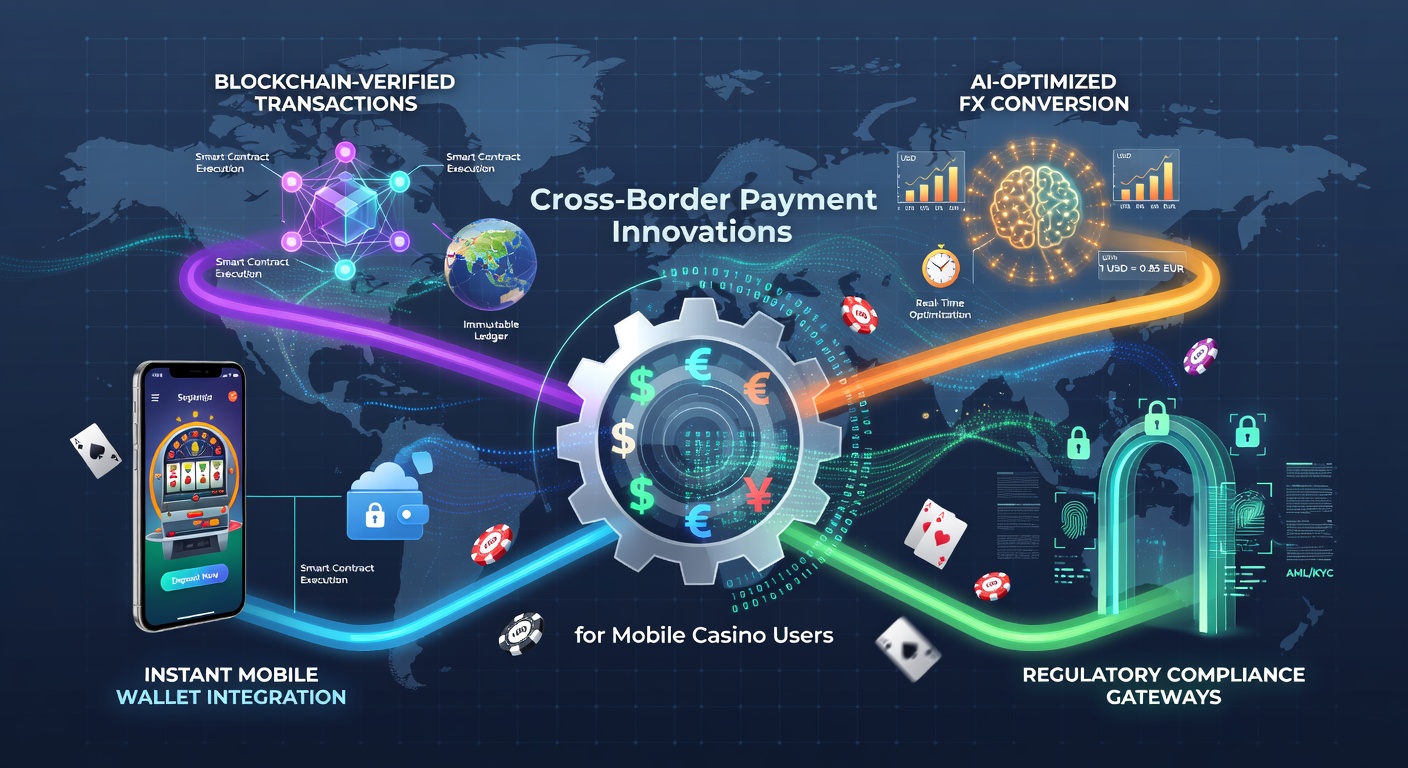
Cross-border payments in mobile casino environments rely on layered systems that connect users, operators, financial institutions, and regulatory networks across jurisdictions, and these mechanisms have evolved rapidly to handle real-time transactions while meeting compliance standards in multiple regions at once.
Core Components of Payment Processing Networks
Operators integrate application programming interfaces from payment service providers that route funds through international clearing houses or distributed ledger platforms, and this setup allows a player in one country to fund an account hosted by an operator licensed elsewhere without traditional wire delays. Systems often combine automated currency conversion engines with fraud detection algorithms that scan transaction patterns against historical data sets from global sources, while security protocols encrypt data at multiple points during the transfer sequence.
Those who've examined the infrastructure note that mobile casino apps embed tokenization techniques where card details or bank credentials convert into unique identifiers that never transmit the original information across borders, and this reduces exposure during the authorization phase that typically lasts under five seconds for approved requests.
Regulatory Frameworks Shaping Cross-Border Flows
Compliance requirements vary by region yet converge around anti-money laundering checks and know-your-customer verification that operators must complete before releasing winnings or allowing deposits, and in May 2026 several North American and European regulators updated reporting thresholds for transactions exceeding certain amounts to align with emerging digital asset guidelines. The European Central Bank has published analyses on instant payment schemes that facilitate these casino-related transfers, and observers point to how such standards influence operator choices in software architecture.
Data from the Bank for International Settlements shows that real-time gross settlement systems now support a growing share of recreational gaming payments, which means funds move directly between accounts rather than through correspondent banking chains that once added days to processing times and multiple fee layers.
Technological Innovations Driving Efficiency
Blockchain-based solutions enter the picture when operators seek to bypass legacy banking rails for certain user segments, and these distributed networks record each step on immutable ledgers that auditors can review without accessing personal banking details. Mobile apps incorporate near-field communication or biometric triggers that initiate these transfers directly from the device interface, while backend reconciliation engines match incoming payments against player accounts in near real time.
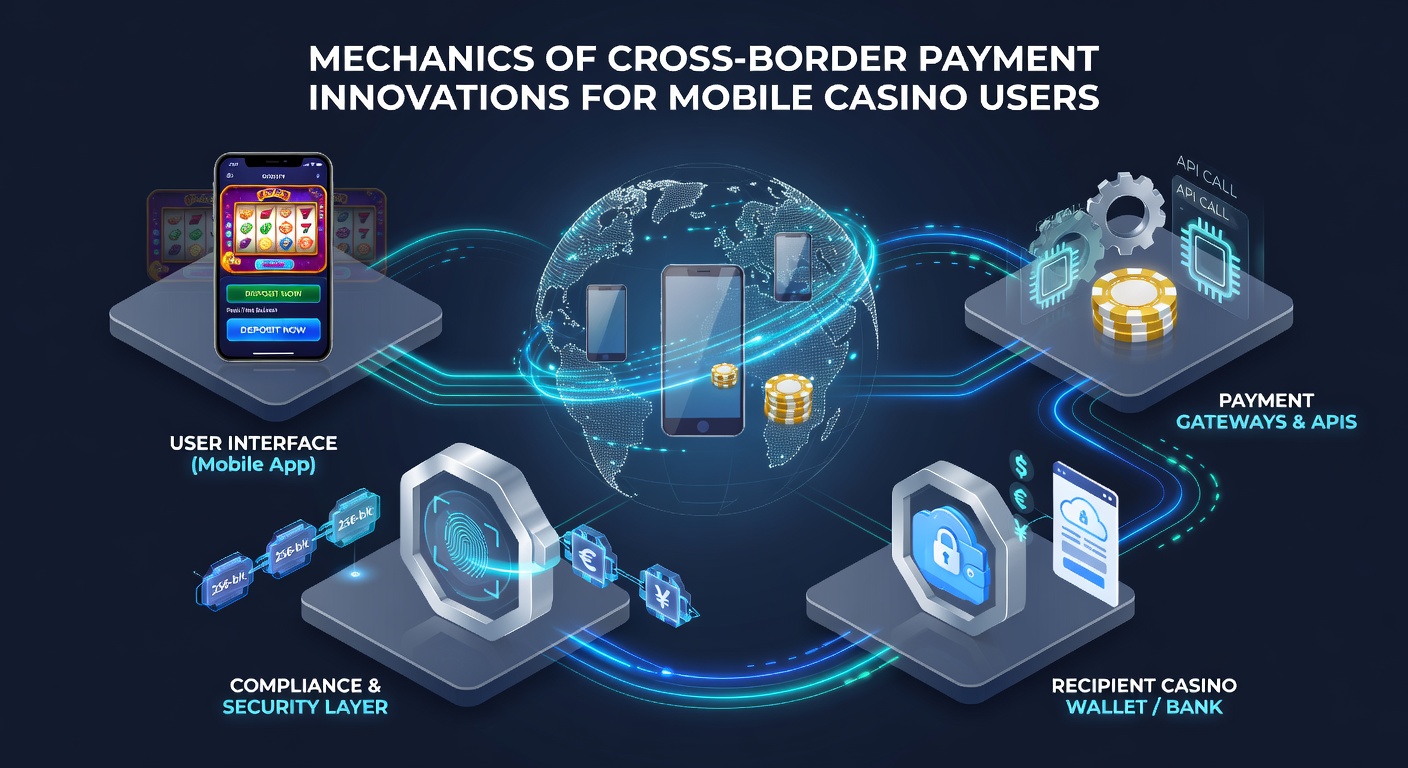
One study revealed that API-driven connections between casino platforms and digital wallet providers cut average settlement times from forty-eight hours to under ninety minutes for verified users, and this shift stems from direct integrations rather than batch processing cycles used in earlier systems. Researchers discovered similar patterns when examining transaction logs from platforms operating across multiple time zones, where automated compliance checks run continuously in the background.
Security and User Verification Layers
Multi-factor authentication combines device fingerprinting, location data, and behavioral analytics to flag unusual cross-border activity before funds clear, and operators maintain audit trails that regulators in different countries can request independently. Those who've studied these protocols find that machine learning models trained on anonymized global datasets improve detection rates for suspicious patterns without slowing legitimate play sessions.
What's interesting is how these layers interact during peak hours when thousands of simultaneous mobile sessions occur, because the system must balance speed against verification depth while staying within legal limits set by each jurisdiction involved in the transfer.
Future Trajectory and Industry Adaptations
Industry reports project continued expansion of programmable payment rails that could let users set spending limits or auto-convert winnings into preferred currencies before withdrawal requests complete, and testing phases in several markets already demonstrate reduced chargeback rates when such controls activate at the account level. Observers note that partnerships between casino software providers and established fintech firms accelerate these rollouts because shared infrastructure lowers development costs for smaller operators.
Conclusion
Cross-border payment mechanics for mobile casino users rest on interconnected technical, regulatory, and security elements that continue to adapt to new data standards and user expectations, and the developments tracked through May 2026 indicate steady progress toward faster, more transparent systems that maintain compliance across borders. Stakeholders monitor these changes closely because operational efficiency directly affects both player access and regulatory approval in an expanding international market.