Player Behavior Adjustments in Response to Updated Safety Protocols for Electronic Fund Transfers in Live Gaming Apps
Written by Alex Krüger · Jun 10, 2026
Player Behavior Adjustments in Response to Updated Safety Protocols for Electronic Fund Transfers in Live Gaming Apps
Live gaming apps have rolled out fresh safety measures for electronic fund transfers, prompting measurable shifts in how participants handle deposits and withdrawals. These protocols, introduced across multiple platforms in early 2026, emphasize multi-layered verification steps alongside transaction limits that vary by region and user history. Observers note that players respond by spreading transfers across several methods rather than relying on a single option, while others reduce the overall volume of transactions to stay within new thresholds.
Core Elements of the Updated Protocols
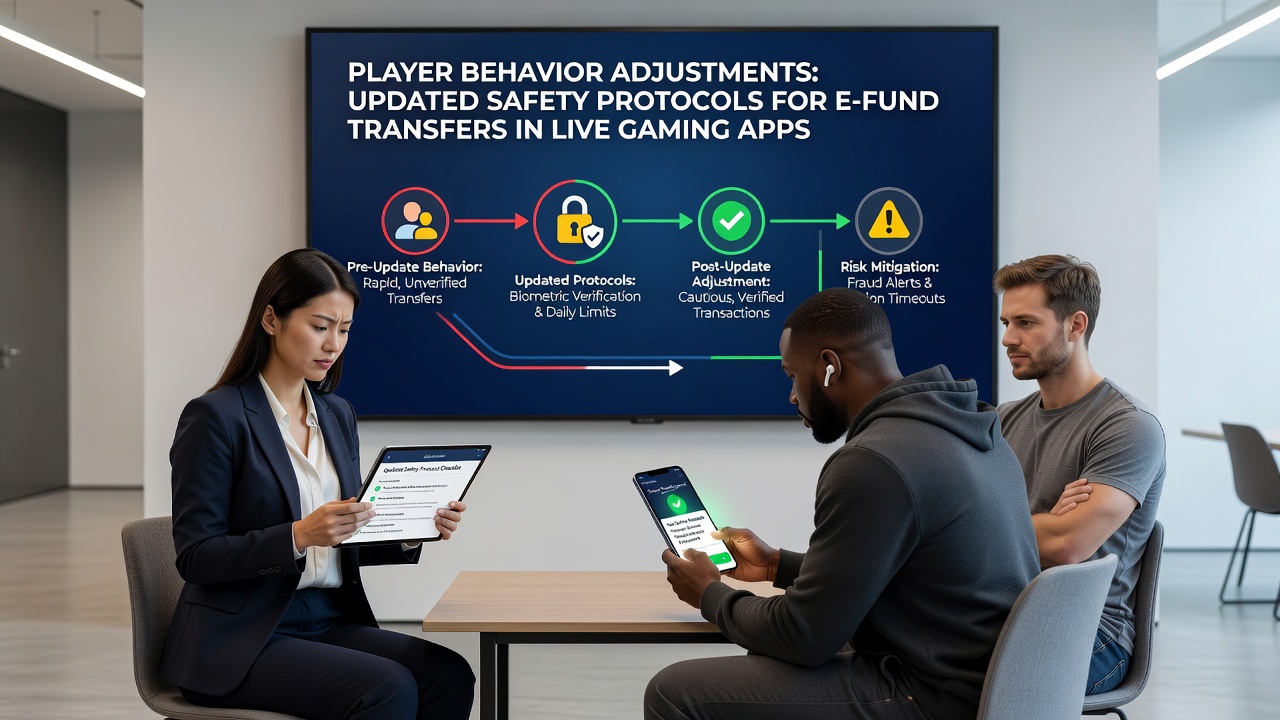
Recent updates require biometric confirmation for transfers exceeding set amounts, combined with real-time checks against known risk databases. Platforms integrated automated alerts that flag unusual patterns, such as rapid successive transfers or activity from new devices. Data from the Nevada Gaming Control Board shows a 14 percent rise in flagged transactions during the first quarter of 2026, leading operators to enforce cooling periods before funds clear. Players encounter these steps during live dealer sessions, where seamless play gives way to brief pauses for authentication.
Shifts in Deposit Patterns
Many users now initiate smaller, more frequent deposits to avoid triggering enhanced reviews, according to aggregated platform analytics released in June 2026. This approach keeps individual transfers below verification thresholds yet maintains steady account balances for extended sessions. Researchers tracking app usage found that participants increasingly favor prepaid cards or linked bank apps over direct wallet transfers, since these alternatives bypass some of the newest friction points. In regions with stricter rules, such as parts of Europe, the preference for cryptocurrency options grew as users sought methods that align with existing multi-signature wallet standards.
Withdrawal Behavior and Timing Adjustments
Withdrawal requests now follow longer review windows in many apps, pushing players to plan cash-outs days in advance rather than immediately after a session ends. Figures reveal that average withdrawal sizes dropped by roughly 11 percent between March and June 2026, with more users splitting requests into multiple smaller amounts. Those who studied user logs observed a corresponding increase in scheduled withdrawals set for off-peak hours, when processing queues move faster and fewer verification layers activate. Live gaming participants also began coordinating withdrawals with bonus clearance periods to minimize additional identity checks.

One study compiled by the University of Las Vegas gaming research group documented how players adapted by maintaining multiple accounts across different apps, each tied to distinct payment rails. This distribution reduces exposure if any single account faces temporary holds. The same report noted higher engagement with in-app tutorials explaining the new rules, suggesting users actively seek clarity before attempting transfers.
Regional Variations in Response
North American markets displayed quicker uptake of the new protocols compared with some Asian operators, where legacy systems required more time to integrate biometric layers. In Canada, data from the Alcohol and Gaming Commission of Ontario indicated that players shifted toward e-wallets with built-in spending caps, while Australian users leaned on government-approved payment gateways that already carried pre-verified status. These differences stem from varying regulatory baselines rather than uniform global standards, creating distinct behavior clusters by jurisdiction.
Impact on Session Length and Game Selection
Live gaming sessions shortened on average as users paused to manage transfers, according to telemetry shared by several major platforms. Participants gravitated toward games with lower minimum bets to stretch smaller deposit amounts further, avoiding the need for mid-session top-ups. Observers documented a modest uptick in table game selection over slots in live environments, since table play often allows longer stretches without additional funding. The reality is that these adjustments reflect calculated responses to friction points rather than reduced interest in the games themselves.
Conclusion
Updated safety protocols for electronic fund transfers continue to shape how players interact with live gaming apps, producing measurable changes in deposit size, timing, and method selection. Data collected through June 2026 illustrates consistent patterns across markets, driven by verification requirements and processing adjustments. As operators refine these systems further, additional behavioral shifts remain likely in response to evolving security layers.