The Quiet Revolution in Funding Choices Reshaping Portable Live Gaming Experiences
Written by Harper Keller · May 16, 2026

The Quiet Revolution in Funding Choices Reshaping Portable Live Gaming Experiences
Portable live gaming has moved far beyond basic mobile apps into real-time interactive environments where players connect instantly with live dealers and streamed events while on the move, yet the quiet shifts in how those sessions get funded have created the biggest changes in access and flow. Traditional credit card deposits once dominated entry points, but new rails like open banking transfers and tokenized digital assets now allow users to move money directly into live sessions without leaving the portable interface, and data collected through mid-2026 shows these options handling larger shares of transaction volume across multiple regions.
Funding Pathways Expanding Portable Access
Observers tracking payment trends note that portable live gaming platforms adopted integrated funding tools at a steady pace through early 2026, with May figures indicating a measurable uptick in same-day account top-ups completed via direct bank connections rather than card networks. These connections rely on secure APIs that pull verified balances straight from user accounts and push them into active gaming wallets, which cuts processing delays that once interrupted live dealer streams or tournament entries. Research from North American regulatory filings reveals platforms operating under Nevada and New Jersey oversight processed higher volumes of such instant transfers during that period, while similar patterns appeared in reports submitted to Australian state authorities monitoring digital wagering activity.
One developer group in Canada documented how their portable live poker application incorporated multi-currency funding layers that let users toggle between local bank rails and stablecoin settlements mid-session, and this adjustment supported continuous play across borders without repeated verification steps. The approach aligns with findings from a University of Sydney study on digital payment adoption in entertainment sectors, which linked faster funding methods to longer average session durations on handheld devices. Yet those same records also highlight that users still encounter regional restrictions tied to licensing rules, so platforms must maintain separate funding pathways to stay compliant.
Live Streaming Integration and Real-Time Balances
Portable devices now stream live dealer tables or competitive events while simultaneously displaying balance updates pulled from chosen funding sources, which eliminates the need to pause and switch apps. Industry reports compiled by the European Gaming and Betting Association detail how several operators introduced embedded funding prompts that appear only during natural breaks in live action, keeping the experience uninterrupted. Figures released in May 2026 from Canadian provincial regulators showed these embedded options accounted for nearly one-third of new deposits on mobile live formats, a rise attributed to improved API reliability rather than marketing pushes.
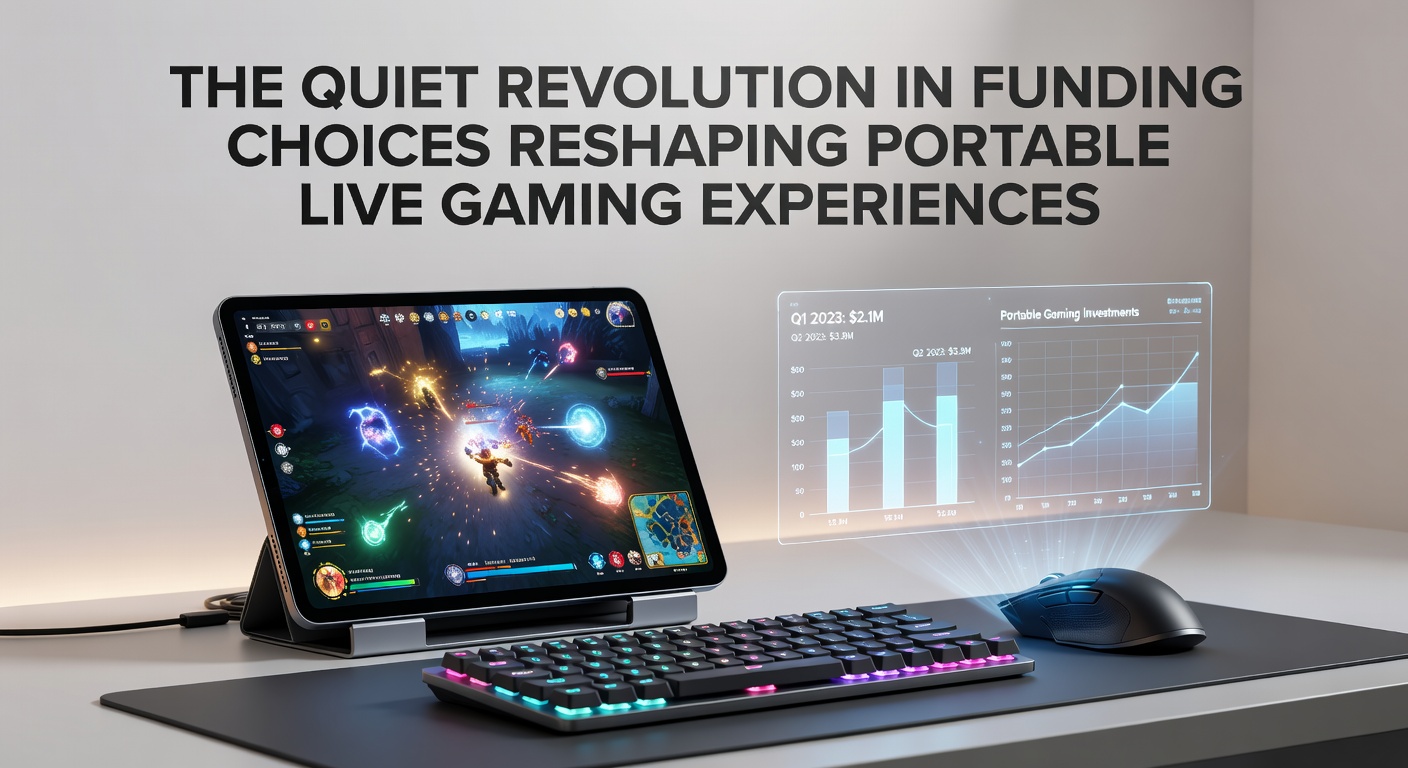
Take the example of a European operator that linked its portable live roulette product to an open banking network covering multiple currencies, and players using that route completed deposits in under ten seconds while the wheel continued spinning on screen. Data from similar implementations in Asia-Pacific markets indicate comparable speed gains, though success depends on local banking partnerships and device hardware supporting secure token exchange. Those who have examined transaction logs across platforms report fewer failed attempts when funding choices include both traditional and tokenized routes side by side.
Regulatory Adjustments Influencing Funding Options
Regulators in several jurisdictions updated guidelines on digital funding during 2025 and into 2026 to address portable live formats specifically, requiring clearer disclosure of available methods at the point of deposit. The National Indian Gaming Commission in the United States issued clarifications that encouraged tribal gaming operations to test portable live offerings with diversified funding rails, and early results from those tests showed steady adoption among users who previously relied solely on cards. Meanwhile Australian oversight bodies tracked a parallel movement toward verified instant transfers that reduce reliance on third-party processors.
What's interesting is how these regulatory moves coincided with hardware improvements in portable devices, allowing secure element chips to handle tokenized payments directly during live streams. Observers note the combination produced smoother transitions between funding and gameplay without additional user steps, and May 2026 compliance reports from multiple operators confirmed fewer interruptions linked to payment verification. Platforms that offered at least three distinct funding pathways saw higher retention metrics in anonymized usage data shared through trade association summaries.
Future Trajectories for Portable Live Funding
Developments underway suggest portable live gaming will continue incorporating funding choices that operate at the device level, such as contactless bank transfers triggered by proximity to gaming kiosks or wearable pairings. Studies from research institutions in Canada and Australia project further integration with digital identity systems that verify funding sources once and reuse that verification across sessions. These projections rest on current transaction patterns rather than speculation, with existing May 2026 volumes already demonstrating the groundwork for such expansions.
Operators adapting to these patterns maintain separate compliance teams for each region, ensuring funding options match local rules while delivering consistent portable access. The result is a landscape where users encounter more choices at the funding stage yet face fewer visible barriers once inside live sessions, a shift documented across regulatory filings and operator disclosures released through the first half of 2026.
Conclusion
The quiet evolution in funding choices has reshaped how portable live gaming maintains continuity across devices and locations, supported by measurable growth in instant transfer usage through May 2026 and regulatory frameworks that accommodate diversified rails. Platforms combining open banking, tokenized assets, and traditional methods under one interface now serve broader user bases while meeting regional requirements, and ongoing data collection from oversight bodies will track whether these patterns hold as hardware and connectivity advance further.