Tracing Animation Innovations Behind Sustained Interest in Digital Reel Formats
Written by Alex Krüger · May 27, 2026
Tracing Animation Innovations Behind Sustained Interest in Digital Reel Formats
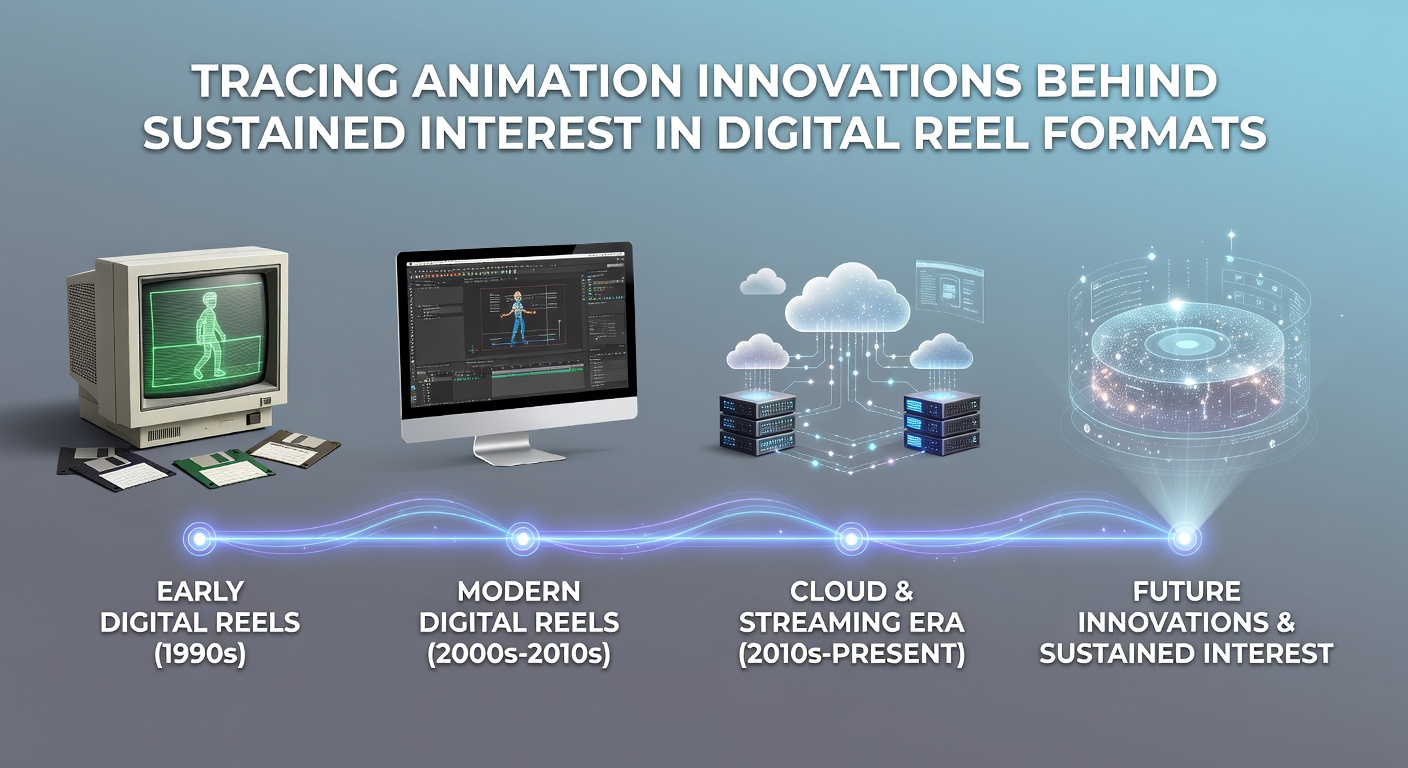
Digital reel formats have evolved through layered animation advancements that maintain engagement across online platforms, and data from industry reports shows consistent growth in player retention tied to these visual upgrades. Observers note that early mechanical reel machines relied on physical spinning symbols, yet the transition to digital displays introduced frame-by-frame sequences that allowed for smoother motion and thematic integration while developers incorporated basic sprite animations to differentiate video slots from their predecessors.
Foundational Shifts in Animation Technology
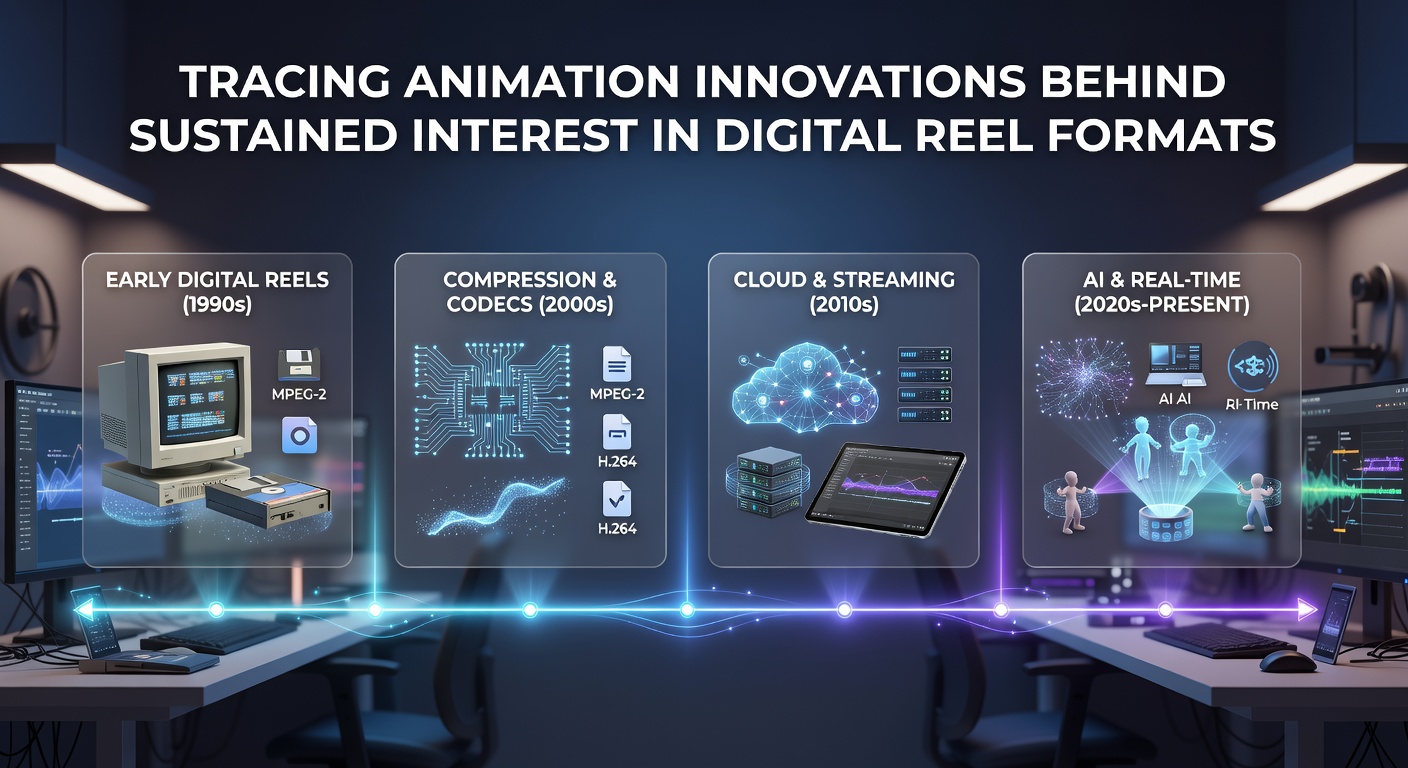
Developers began experimenting with 2D vector graphics during the late 1990s, and this period marked the introduction of looping cycles that simulated reel stops with added flair such as flashing borders or expanding symbols. Research from the American Gaming Association indicates that these initial changes coincided with the rise of internet-based gaming, where file size constraints pushed creators toward optimized animations that loaded quickly on dial-up connections yet delivered clear visual feedback during spins.
By the mid-2000s, raster-based effects gained traction because they enabled detailed character movements within themed reels, and companies integrated particle systems to represent elements like falling coins or bursting fireworks without overwhelming processor demands. Those who track software patents observe that this era produced several key filings related to synchronized audio-visual cues, which helped align sound design with animation timing to heighten immersion in digital formats.
Advancements in 3D and Interactive Elements
Three-dimensional rendering tools entered the space around 2010, allowing symbols to rotate and interact on multiple axes while engine choices like Unity facilitated real-time lighting adjustments during gameplay sequences. Figures from Canadian gaming regulators reveal that adoption of these methods correlated with increased session lengths in regulated markets, as players encountered reels that responded dynamically to bonus triggers through layered depth effects and camera shifts.
HTML5 standardization further accelerated progress because it supported cross-device compatibility, and developers leveraged WebGL capabilities to render complex scenes on mobile screens without native app dependencies. One study from the University of Nevada, Las Vegas documented how these technical foundations reduced loading times by up to 40 percent in tested environments, which in turn supported broader distribution of animation-heavy titles across various operating systems.
Role of Animation in Maintaining Format Popularity
Animated transitions between base game and feature rounds create narrative continuity that encourages continued play, and evidence from Australian wagering statistics highlights steady revenue contributions from titles featuring progressive visual storytelling. Particle emitters now simulate environmental interactions such as weather changes or character reactions, and these additions appear in formats where reel symbols morph or combine to unlock multipliers without interrupting flow.
Virtual reality integrations emerged in select markets by 2022, yet broader adoption remains limited because hardware requirements restrict accessibility; still, hybrid approaches that blend 2D reels with occasional VR cutscenes have appeared in testing phases. Data indicates that animation complexity often aligns with regulatory approval processes, as agencies in multiple jurisdictions review visual assets for clarity and fairness alongside mathematical models.
Developments Observed Through May 2026
Reports compiled through May 2026 show incremental refinements in shader technology that enhance reflective surfaces on digital reels, and these updates coincide with expanded use of machine learning for procedural animation generation. Gaming associations across the European Union have noted corresponding rises in certified titles that incorporate adaptive frame rates, which adjust based on device performance to preserve visual quality during extended sessions.
Collaborations between animation studios and game providers have produced modular asset libraries, allowing rapid customization of reel behaviors across different themes while maintaining consistent technical standards. Observers point to these efficiencies as factors behind sustained interest, since varied visual presentations reduce repetition even within similar mathematical structures.
Conclusion
Animation innovations continue to shape digital reel formats through iterative improvements in rendering, interactivity, and device optimization, and records from regulatory bodies document their integration into an expanding catalog of approved games. Those tracking long-term trends recognize that each advancement builds upon prior foundations, resulting in formats that retain core spinning mechanics while delivering increasingly sophisticated visual layers that align with evolving player expectations across global markets.