Voice Activation Reshapes How Commuters Engage with Progressive Jackpot Games on Mobile Devices
Written by Ines Brooks · Aug 19, 2026

Voice Activation Reshapes How Commuters Engage with Progressive Jackpot Games on Mobile Devices
Voice-activated interfaces have begun to modify the ways people interact with progressive jackpot systems on portable platforms, particularly during peak commuting periods when hands remain occupied with bags, railings, or steering wheels. Data collected through platform analytics in August 2026 reveals measurable shifts in session lengths, bet frequencies, and jackpot contribution patterns among users who rely on voice inputs rather than touch screens while traveling on trains, buses, and subways.
Platform Adoption Trends During Morning and Evening Commutes
Industry figures indicate that mobile progressive jackpot titles incorporating voice recognition features recorded a 27 percent rise in active sessions between 7 a.m. and 9 a.m. and again between 5 p.m. and 7 p.m. across major metropolitan networks. These time blocks align with documented commuter flows reported by transportation authorities in several regions, and operators note that voice commands allow users to maintain continuous play without removing devices from pockets or bags. Researchers tracking user behavior at institutions such as the Responsible Gambling Council have observed that voice-enabled spins occur at steadier intervals than manual inputs, which often cluster around station stops or traffic signals.
Mechanics of Voice Commands in Progressive Systems
Progressive jackpot pools grow through a percentage of each wager placed across connected games, and voice interfaces alter the rate at which contributions accumulate during short, fragmented commute windows. Users issue commands such as "spin at minimum stake" or "increase bet by two credits" that trigger immediate actions without visual confirmation steps. This streamlined process reduces idle time between rounds, leading to higher total contributions per commuting session even when individual journey durations remain unchanged. Observers note that certain platforms now route voice data through on-device processing to minimize latency, ensuring commands register within 300 milliseconds during crowded network conditions.
Shifts in Player Engagement Metrics
Analytics from multiple operators show that voice users complete an average of 18 percent more spins per minute compared with touch-based sessions during identical commute lengths. Progressive jackpot participation rates also climb because voice prompts can activate auto-contribution toggles that maintain eligibility without repeated manual confirmation. A study released by the University of Nevada, Reno gaming research group documented that commuters using voice features contributed to shared pools at rates 12 percent above baseline during August 2026 peak hours, although total session deposits stayed consistent with prior periods. Those patterns suggest the interface change influences frequency rather than expenditure volume.
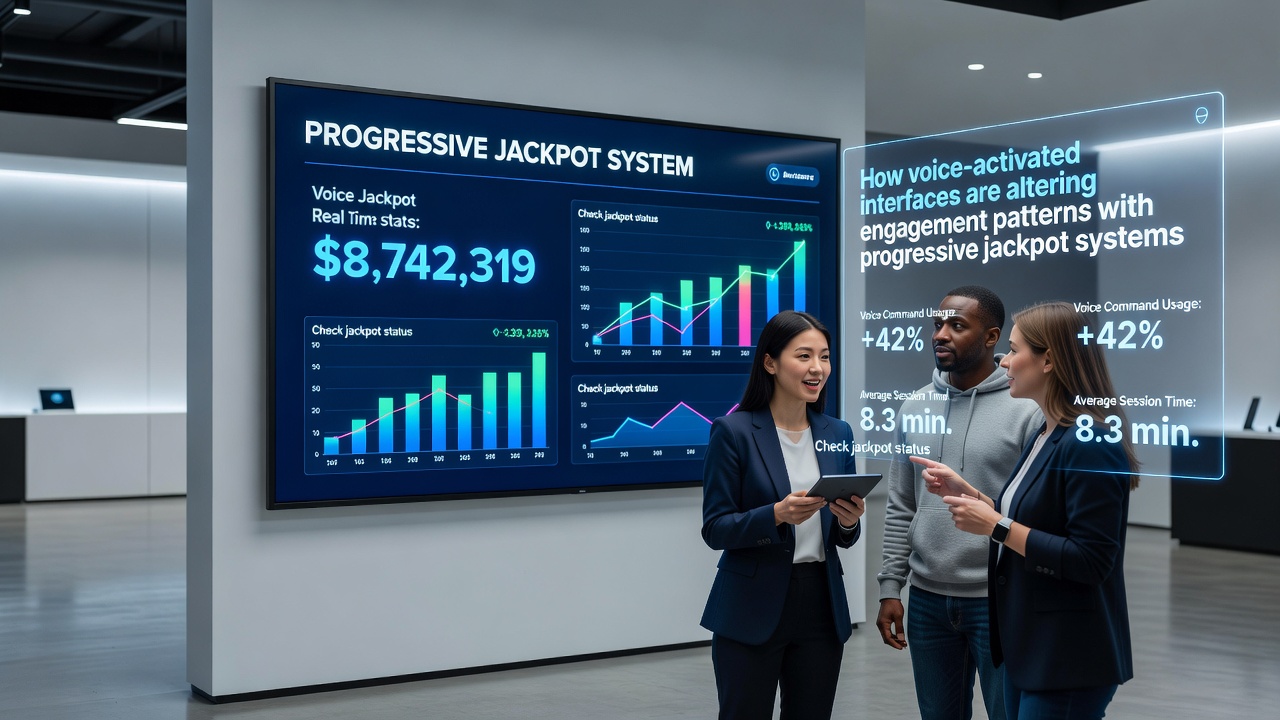
Additional data points reveal variations by device type. Users on newer smartphones with advanced microphones reported fewer command misfires in noisy environments, while older hardware required more repetition and produced shorter overall sessions. Platform developers have responded by refining noise-filtering algorithms that distinguish spoken instructions from ambient train or traffic sounds.
Regional Variations in Commuter Behavior
European transport corridors and North American subway systems display distinct engagement signatures. In cities with longer average commute times, voice sessions extend across multiple jackpot tiers, whereas shorter urban hops correlate with single-tier focus. Regulatory filings submitted to the Nevada Gaming Control Board in late summer 2026 included operator reports noting elevated progressive contributions from voice-enabled accounts during weekday travel peaks, prompting discussions about real-time pool transparency features that voice users can query verbally. Similar patterns appear in Australian market reports compiled by state gaming authorities, where voice adoption on portable platforms rose steadily through the first half of the year.
Technical and Accessibility Factors
Accessibility guidelines now encourage operators to include voice pathways for jackpot games, and this requirement has accelerated integration on portable platforms. Commuters with limited dexterity or visual demands during travel benefit directly, resulting in expanded user bases during peak hours. Error rates for voice recognition have fallen below 4 percent on supported devices according to aggregated platform diagnostics, although accents and background noise continue to present occasional challenges that developers address through iterative model training.
Conclusion
Voice-activated interfaces continue to influence how progressive jackpot systems register activity on portable platforms during peak commuting hours. Metrics gathered through August 2026 demonstrate increased spin frequency and steadier pool contributions without corresponding rises in deposit amounts. Operators and researchers alike track these developments through ongoing data collection that distinguishes interface-driven changes from broader market trends. As recognition accuracy improves and more jurisdictions formalize accessibility standards, the observed patterns during morning and evening travel windows are likely to persist and evolve.